 Business License

Unlock Higher Gold Recovery with Coconut Shell Activated Carbon in Heap Leaching
In the competitive world of gold mining,maximizing recovery while controlling costs is paramount. Heap leaching has emerged as a highly efficient and economical method for extracting gold from low-grade ores. At the heart of a successful heap leaching operation lies a critical component: Coconut Shell Activated Carbon. Understanding its unique properties and role can significantly enhance your gold recovery rates.
1. The Heap Leaching Process and the Need for Efficient Adsorption
The heap leaching process involves stacking crushed ore into large piles and irrigating it with a dilute cyanide solution. This solution dissolves gold as it percolates through the heap, forming a "pregnant" solution rich in gold-cyanide complexes . The key challenge is efficiently capturing these gold complexes from the solution before it is processed or recycled. This is where activated carbon becomes indispensable, acting as a magnet for gold.
2. Why Coconut Shell Activated Carbon is the Superior Choice
While activated carbon can be produced from various materials like wood or coal, coconut shell activated carbon is widely regarded as the premium choice for gold recovery . Here's why:
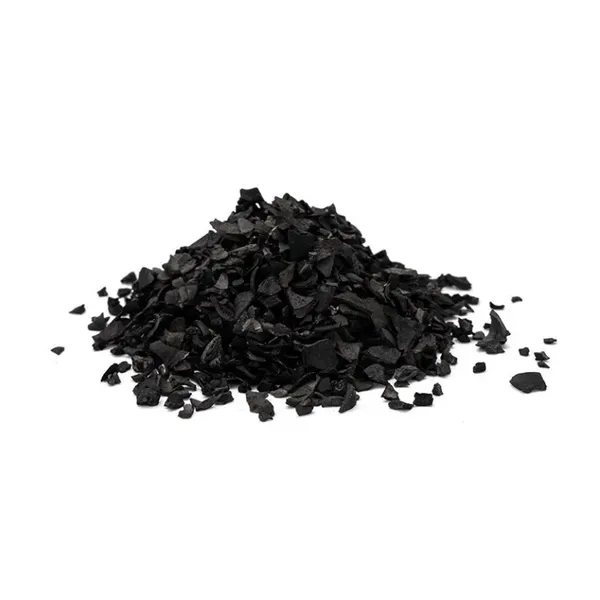
· Excellent Microporous Structure: Coconut shell activated carbon possesses a highly developed microporous structure, providing a vast surface area that is ideal for adsorbing gold-cyanide complexes . This structure is crucial for achieving high gold loading capacity.
· High Mechanical Strength: The physical robustness of coconut shell carbon ensures high resistance to abrasion and wear during the adsorption and regeneration cycles . This high hardness minimizes carbon loss due to attrition in rigorous mining operations , leading to longer service life and lower operating costs.
· Superior Adsorption Capacity: It exhibits a strong and selective adsorption affinity for gold-cyanide complexes, ensuring high recovery rates .
· Ease of Regeneration and Reuse: After adsorbing gold, the loaded carbon can be easily desorbed, and its activity effectively restored through thermal regeneration processes for repeated use. Studies and practical applications show that thermal regeneration at high temperatures (e.g., around 750°C) can restore over 90% of the carbon's adsorption capacity , making it a cost-effective solution.
3. Key Properties to Look For in Gold Recovery Activated Carbon
When selecting activated carbon for heap leaching, pay attention to these critical specifications commonly found in high-quality coconut shell products :
· Iodine Value: ≥1000 mg/g, indicating a large microporous surface area available for adsorption.
· Hardness/Abrasion Resistance: ≥95%, ensuring the carbon can withstand physical degradation during handling and processing.
· Particle Size: Commonly available in meshes like 6×12, 6×16, or 8×20, which are suitable for adsorption columns in heap leaching circuits.
4. The Role of Activated Carbon in the Heap Leach Circuit
In a typical heap leach operation, the pregnant solution exiting the heap is passed through a series of columns or tanks filled with coconut shell activated carbon . The carbon efficiently adsorbs the gold complexes from the solution. Once the carbon is fully loaded, it is transferred for further processing where gold is desorbed, and the carbon is thermally regenerated for reuse .
Choosing the right activated carbon is a decisive factor in optimizing your heap leaching efficiency.Coconut shell
activated carbon, with its superior adsorption characteristics, exceptional hardness, and cost-effective regeneration
profile, stands out as the most reliable and economical choice for maximizing gold yield.
Call to Action
Ready to boost your gold recovery rates and improve the profitability of your heap leaching operations?Contact us
today to request a sample of our premium-grade Coconut Shell Activated Carbon and consult with our technical
experts for a tailored solution.
Recently Posted
-
How Coconut Shell Activated Carbon Revolutionizes Gold Recovery in the CIP Process
October 20, 2025In the gold mining industry, efficiency and cost-effectiveness are paramount. The Carbon-in-Pulp (CIP) process has emerged as Read More
 -
Control Industrial Air Pollution Efficiently with Coal-Based Columnar Activated Carbon
October 16, 2025n today's industrial landscape,managing air emissions is not just a regulatory requirement—it's a commitment to environmen Read More
 -
The Ultimate Decolorization Solution: Why Wood Powdered Activated Carbon is Your Best Choice
October 16, 2025Are you struggling with unwanted color in your liquid products?Whether you're in the food, pharmaceutical, or chemical industr Read More
 -
How Powdered Coal Activated Carbon Improves Industrial Wastewater Treatment Efficiency?
August 15, 20251. IntroductionIndustrial wastewater containing **organic pollutants, dyes, and toxic compounds** requires effective treatment bef Read More

Contact Us
Recommended Products
-
 "Lijing" Brand Utility Boiler Raw Water Purification Activated CarbonUS$ 1818 - 1988MOQ: 1 Ton
 -
Electroplate Special Activated CarbonUS$ 1060 - 1970MOQ: 1 Ton
-
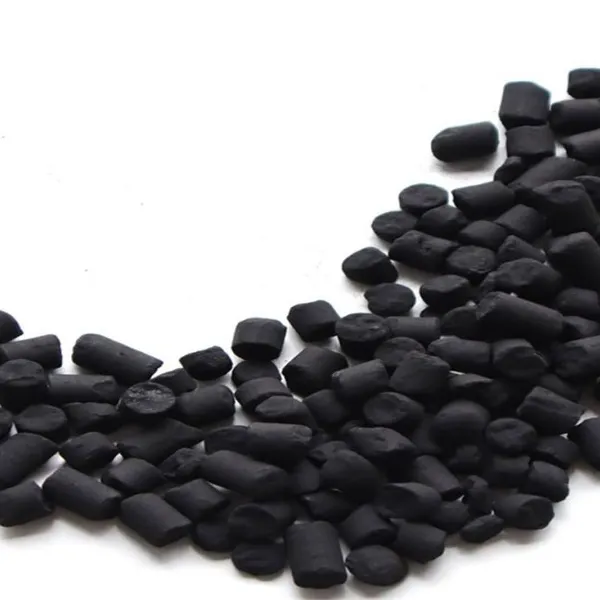
Coal Based Columnar Activated CarbonUS$ 1895 - 2045MOQ: 1 Ton
-
Nut Shell Activated CarbonUS$ 1030 - 1135MOQ: 1 Ton
-
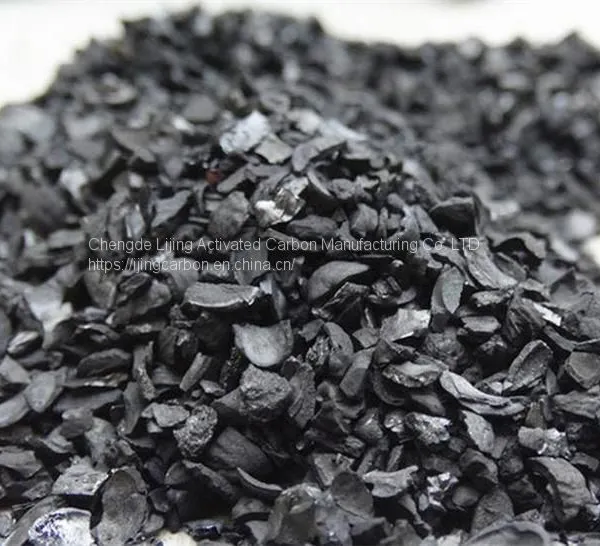
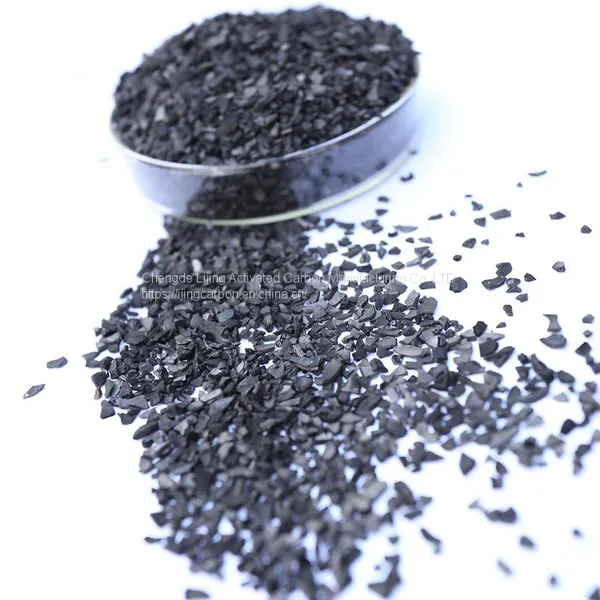
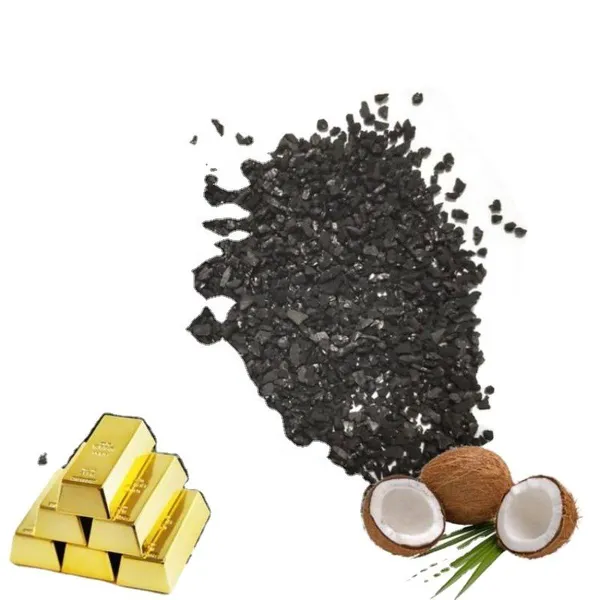
Coconut Shell Activated CarbonUS$ 1890 - 1970MOQ: 1 Ton
-
Coal Impregnated Koh Activated Carbon For Chemical Raw Materials Gas TreatmentUS$ 1212 - 1712MOQ: 1 Ton
-
Coal Based 8x30 Granular Price in kg Activated Carbon Made in ChinaUS$ 1212 - 1712MOQ: 1 Ton
-
Coal Granulated Pelletized Activated Carbon Coal Activated Carbon Pellet Made in ChinaUS$ 1895 - 2045MOQ: 1 Ton
-
Coconut Shell Charcoal Charcoal Activated Coconut Charcoal Price Coconut Shell Activated Carbon Made in ChinaUS$ 2370 - 2400MOQ: 10 Tons
-
Coconut Activated Carbon Mesh Activated Charcoal Chemical Auxiliary Agent Made in ChinaUS$ 2370 - 2400MOQ: 10 Tons
-
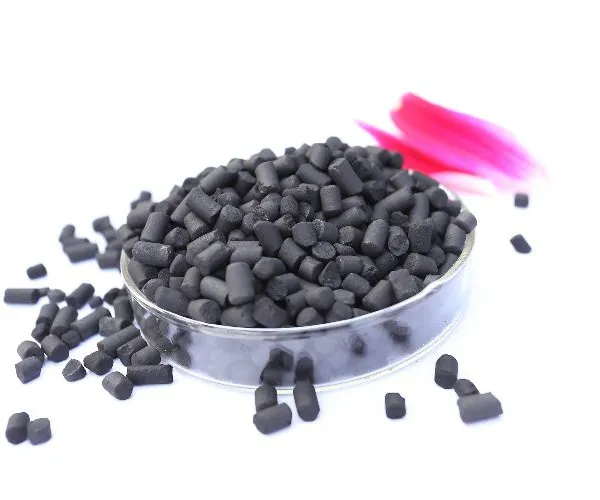
Coal Pellet Columnar (Cylinder)Air/Gas Treatment VOCs Removal Industrial Waste Gases Activated Carbon Made in ChinaUS$ 1895 - 2045MOQ: 1 Ton
-
Air Filters Activated Carbon 1 Ton Activated Carbon Price Pellets Powder Granular Activated Charcoal for Water Treatment Made in ChinaUS$ 1895 - 2045MOQ: 1 Ton
-
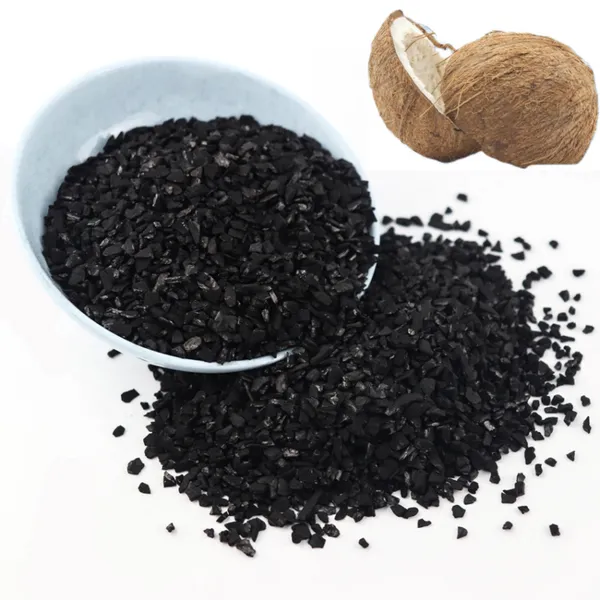
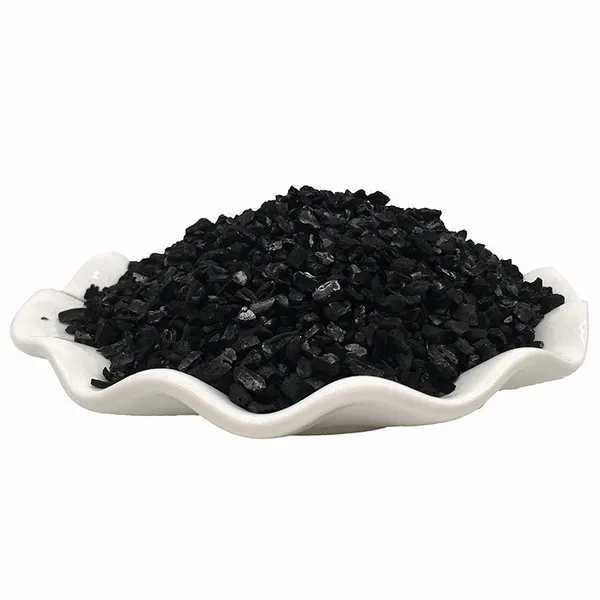
Coconut Based Steam Activated Carbon Granular 1000 Iv Value Coconut Shell Activated Carbon for Gold Recovery Refining Made in ChinaUS$ 2370 - 2400MOQ: 10 Tons
-
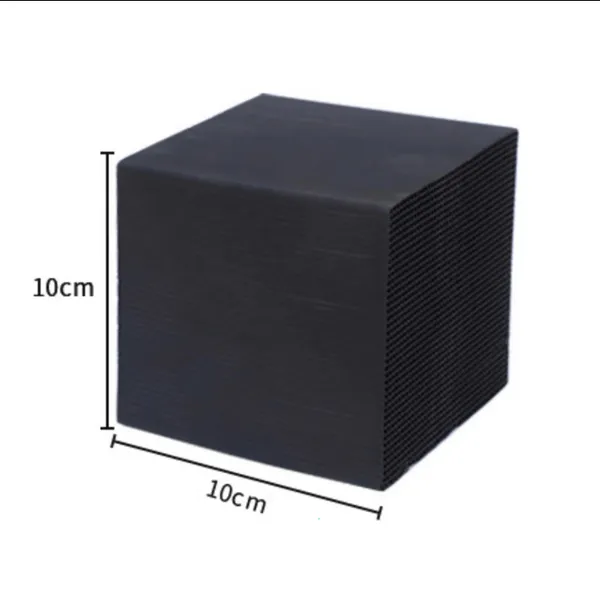
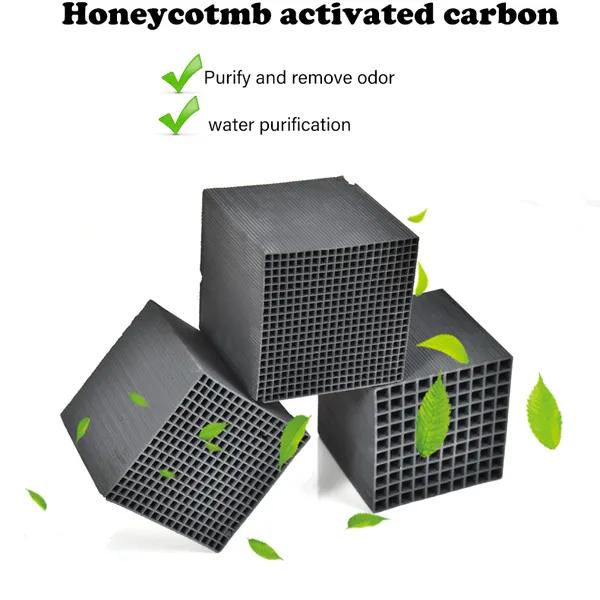
Cubic Activated Carbon Aquarium Filter Water Purification Honeycomb Activated Carbon Made in ChinaUS$ 300 - 550MOQ: 1 Cubic Meter
-
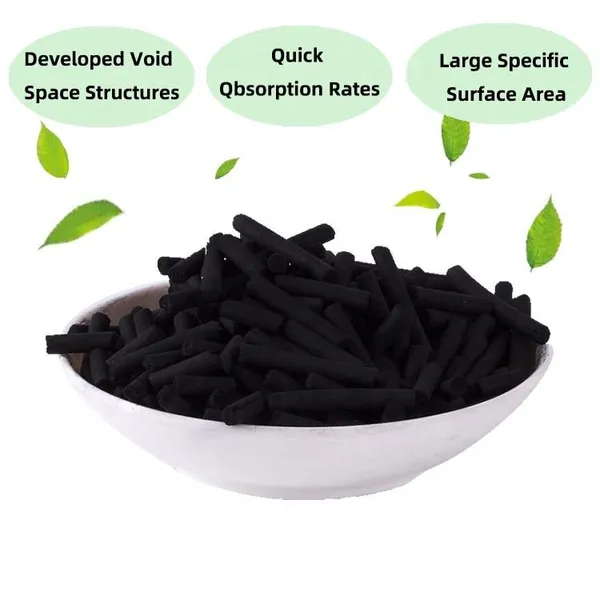
Activated Carbon Charcoal Smoking Filter Deodorant Honeycomb Activated Carbon Black Filter Made in ChinaUS$ 300 - 550MOQ: 1 Cubic Meter
-
Powdered Activated Carbon for Rapid Water Purification and Sewage Treatment With High Efficiency in Adsorbing Heavy Metals Made in ChinaUS$ 600 - 680MOQ: 1 Ton
-
Firemax Active Charcoal Powder Coal Based Adsorbent Absorption Treatment Particles of Coal-based Activated Carbon Made in ChinaUS$ 1212 - 1712MOQ: 1 Ton
-
Hot Sale Manufacturer Wood Based Black Activated Carbon Coal Based Coconut Shell Activated Carbon In Water Treatment For Water Made in ChinaUS$ 1030 - 1135MOQ: 1 Ton
-
Nutshell Activated Carbon for Sale Shell Activated Carbon /catalyst Carrier/deodorant/high Purity With/water Treatment Filler Made in ChinaUS$ 1030 - 1135MOQ: 1 Ton
-
Wholesale Hotsale Pure Water Treatment Custom Size Coal Based Coconut Shell Granular Activated Carbon Made in ChinaUS$ 1212 - 1712MOQ: 1 Ton