 Business License

How Nut Shell Activated Carbon Maximizes Gold Recovery in Heap Leaching Operations?
1. Introduction
**Heap leaching** has become one of the most **cost-effective methods** for gold extraction from low-grade ores.
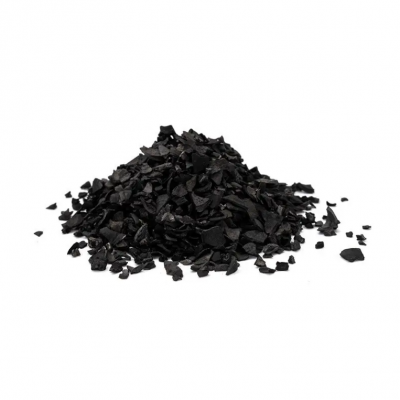
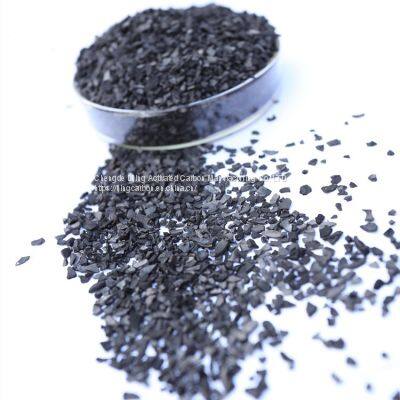
In this process, **shell-based activated carbon** (from coconut or walnut shells) plays a critical role in **adsorbing
gold-cyanide complexes** from leaching solutions.
This guide explains:
✔ **Why shell carbon is superior for heap leaching**
✔ **Optimal technical specifications**
✔ **How to maximize gold recovery efficiency**
---
2. Why Use Shell Activated Carbon in Heap Leaching?
✅ Higher Gold Adsorption Capacity*
- **Microporous structure (1-2 nm pores)** → Better adsorption of **[Au(CN)₂]⁻**
- **Iodine value ≥1000 mg/g** vs 800-900 mg/g for coal carbon
✅ Excellent Physical Durability
- **High hardness (≥95%)** → Minimal breakage in aggressive heap leach environments
- **Low abrasion loss** → Longer lifespan in carbon columns
✅ Cost-Effective Operation**
- **20-30% higher gold loading** than coal carbon
- **More regeneration cycles** → Lower replacement costs
✅ Environmentally Friendly**
- **Biodegradable & renewable** (from coconut/walnut shells)
- **Lower ash content (<5%)** → Reduces gold losses
---
3. Key Applications in Gold Heap Leaching**
① Carbon-in-Column (CIC) Systems
- **Adsorbs gold** from pregnant leach solution (PLS)
- **Case Study:** A Mexico mine **increased recovery by 12%** after switching to shell carbon
② Carbon-in-Leach (CIL) for Agglomerated Ores**
- **Improves gold recovery** from clay-rich ores
③ Carbon-in-Pulp (CIP) for High-Grade Solutions**
- **Polishes solution** before electrowinning
---
4. Technical Specifications for Heap Leaching
item | First Grade | Second Grade | |
Particle Size 6-12 Mesh | % | ≥96 | ≥96 |
iodine Sorption Value | mg/g | ≥1000 | ≥900 |
Intensity | % | ≥95 | ≥95 |
Moisture | % | ≤10 | ≤10 |
Filling Specific | g/cm³ | 0.45-0.5 | 0.48-0.53 |
---
5. How to Optimize Heap Leaching with Shell Carbon?
⚠️ 3 Common Mistakes to Avoid
1. **Wrong carbon size** → Too fine = high pressure drop; too coarse = poor gold recovery
2. **Overloading carbon** → Reduces adsorption efficiency
3. **Poor elution practices** → Leaves gold trapped in carbon
✅ Best Practices
✔ **Use 6×12 or 8×16 mesh** for optimal flow & adsorption
✔ **Monitor gold loading** – Replace when efficiency drops below 1 kg Au/ton
✔ **Optimize cyanide levels** (0.05-0.3% NaCN) for maximum gold dissolution
---
6. Why Choose Our Shell Activated Carbon?
Recently Posted
-
Unlock Higher Gold Recovery with Coconut Shell Activated Carbon in Heap Leaching
October 20, 2025In the competitive world of gold mining,maximizing recovery while controlling costs is paramount. Heap leaching has emerged as a h Read More
 -
How Coconut Shell Activated Carbon Revolutionizes Gold Recovery in the CIP Process
October 20, 2025In the gold mining industry, efficiency and cost-effectiveness are paramount. The Carbon-in-Pulp (CIP) process has emerged as Read More
 -
Control Industrial Air Pollution Efficiently with Coal-Based Columnar Activated Carbon
October 16, 2025n today's industrial landscape,managing air emissions is not just a regulatory requirement—it's a commitment to environmen Read More
 -
The Ultimate Decolorization Solution: Why Wood Powdered Activated Carbon is Your Best Choice
October 16, 2025Are you struggling with unwanted color in your liquid products?Whether you're in the food, pharmaceutical, or chemical industr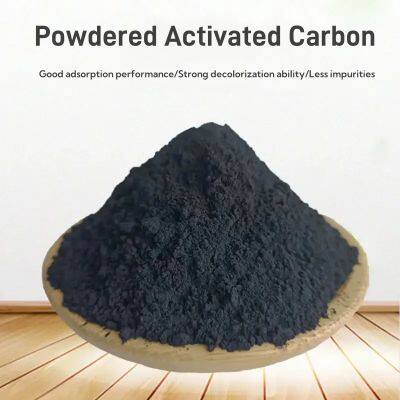 Read More

Contact Us
Recommended Products
-
 "Lijing" Brand Utility Boiler Raw Water Purification Activated CarbonUS$ 1818 - 1988MOQ: 1 Ton
 -
Electroplate Special Activated CarbonUS$ 1060 - 1970MOQ: 1 Ton
-
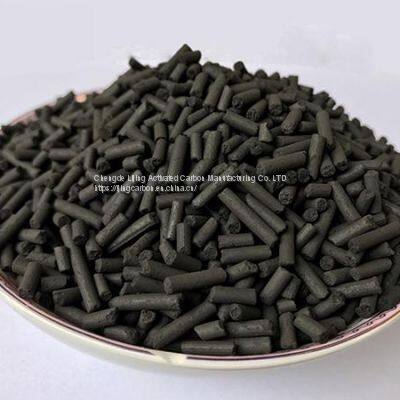
Coal Based Columnar Activated CarbonUS$ 1895 - 2045MOQ: 1 Ton
-
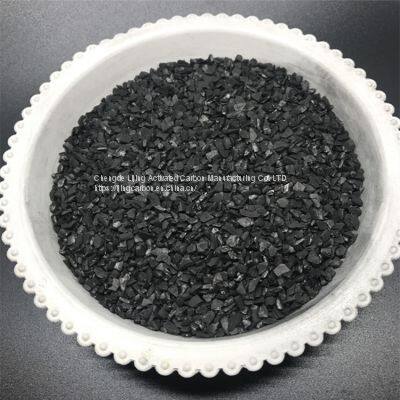
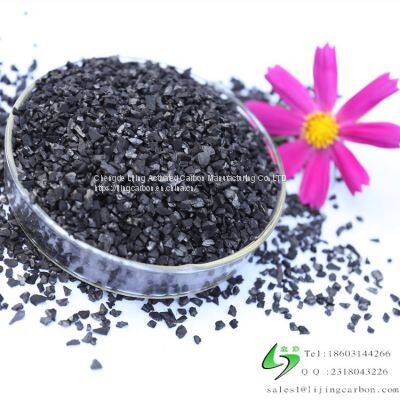
Nut Shell Activated CarbonUS$ 1030 - 1135MOQ: 1 Ton
-
Coconut Shell Activated CarbonUS$ 1890 - 1970MOQ: 1 Ton

-
Coal Impregnated Koh Activated Carbon For Chemical Raw Materials Gas TreatmentUS$ 1212 - 1712MOQ: 1 Ton
-
Coal Based 8x30 Granular Price in kg Activated Carbon Made in ChinaUS$ 1212 - 1712MOQ: 1 Ton
-
Coal Granulated Pelletized Activated Carbon Coal Activated Carbon Pellet Made in ChinaUS$ 1895 - 2045MOQ: 1 Ton
-
Coconut Shell Charcoal Charcoal Activated Coconut Charcoal Price Coconut Shell Activated Carbon Made in ChinaUS$ 2370 - 2400MOQ: 10 Tons
-
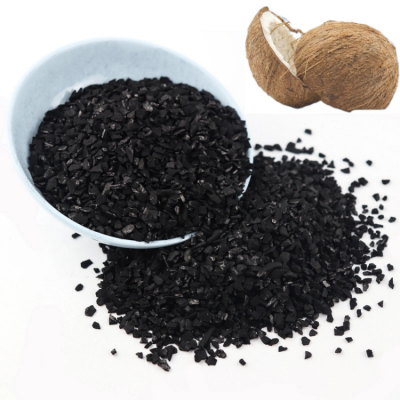
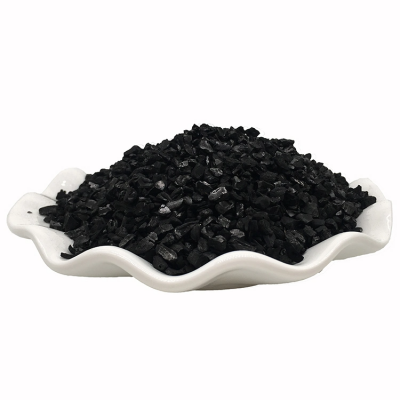
Coconut Activated Carbon Mesh Activated Charcoal Chemical Auxiliary Agent Made in ChinaUS$ 2370 - 2400MOQ: 10 Tons
-
Coal Pellet Columnar (Cylinder)Air/Gas Treatment VOCs Removal Industrial Waste Gases Activated Carbon Made in ChinaUS$ 1895 - 2045MOQ: 1 Ton
-
Air Filters Activated Carbon 1 Ton Activated Carbon Price Pellets Powder Granular Activated Charcoal for Water Treatment Made in ChinaUS$ 1895 - 2045MOQ: 1 Ton
-
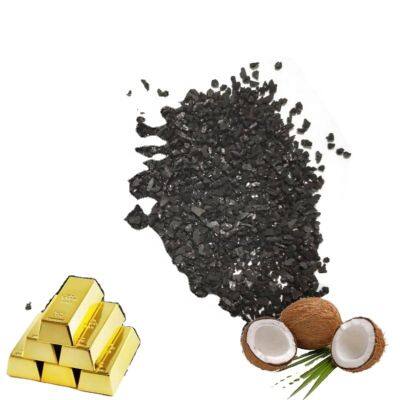
Coconut Based Steam Activated Carbon Granular 1000 Iv Value Coconut Shell Activated Carbon for Gold Recovery Refining Made in ChinaUS$ 2370 - 2400MOQ: 10 Tons
-
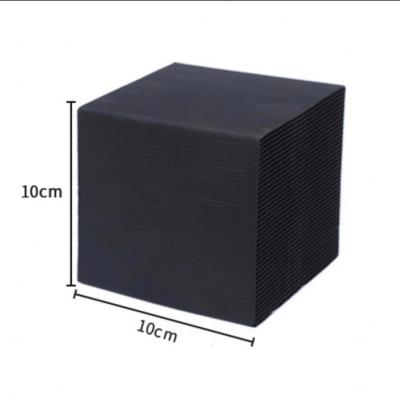
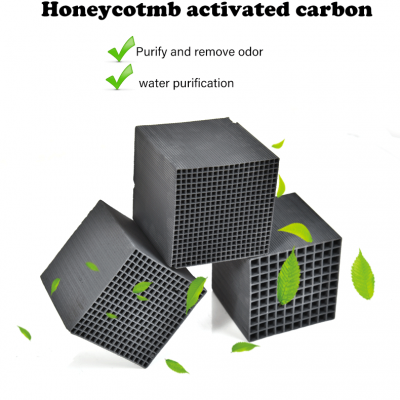
Cubic Activated Carbon Aquarium Filter Water Purification Honeycomb Activated Carbon Made in ChinaUS$ 300 - 550MOQ: 1 Cubic Meter
-
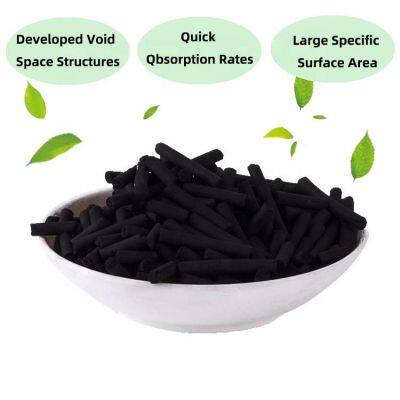
Activated Carbon Charcoal Smoking Filter Deodorant Honeycomb Activated Carbon Black Filter Made in ChinaUS$ 300 - 550MOQ: 1 Cubic Meter
-
Powdered Activated Carbon for Rapid Water Purification and Sewage Treatment With High Efficiency in Adsorbing Heavy Metals Made in ChinaUS$ 600 - 680MOQ: 1 Ton
-
Firemax Active Charcoal Powder Coal Based Adsorbent Absorption Treatment Particles of Coal-based Activated Carbon Made in ChinaUS$ 1212 - 1712MOQ: 1 Ton
-
Hot Sale Manufacturer Wood Based Black Activated Carbon Coal Based Coconut Shell Activated Carbon In Water Treatment For Water Made in ChinaUS$ 1030 - 1135MOQ: 1 Ton
-
Nutshell Activated Carbon for Sale Shell Activated Carbon /catalyst Carrier/deodorant/high Purity With/water Treatment Filler Made in ChinaUS$ 1030 - 1135MOQ: 1 Ton
-
Wholesale Hotsale Pure Water Treatment Custom Size Coal Based Coconut Shell Granular Activated Carbon Made in ChinaUS$ 1212 - 1712MOQ: 1 Ton